


Syria: Temporary trips home to assess the situation
Politicians from the SPD, the Greens, and The Left want to allow Syrian refugees to travel to their home country for a short period of time. The goal is to enable those affected to assess the current situation on the ground for themselves and determine whether a permanent return is a viable option for them.
According to various media reports, these are said to be voluntary, temporary visits. They are often referred to as “go-and-see visits.” The idea behind this is that people who have not been to Syria for years can assess the situation on the ground more realistically if they experience it firsthand.

Children born in Germany to Syrian parents do not need to present a Syrian national passport. An extract from the marital status register is sufficient to prove the identity and nationality of the child....
The proposal has received support from several parties
The proposal is supported by three of the five major parties in the Bundestag. Sebastian Fiedler (SPD) told the Frankfurter Allgemeine Zeitung: “This will allow people on the ground to see for themselves whether a permanent return is a viable option for them.” He added: “This would certainly also help address all questions regarding people’s involvement in the reconstruction of Syria.”
Alliance 90/The Greens and The Left also support the proposal. Green Party politician Filiz Polat said: “The federal government should make these trips possible—regardless of the respective Residence permit — and ensure that those affected do not suffer any disadvantages as a result.”
Clara Bünger (The Left) also stated: “Shortly after Assad’s fall, I called for ‘go-and-see visits’ to be made possible for Syrians with protected status.”
In fact, the proposal is not new. As early as January 2025—just a month after the fall of the Assad regime—the German government at the time was considering allowing exploratory trips. However, the proposal was not implemented before the change in government in May 2025.
Politicians from the CDU/CSU and AfD oppose fact-finding missions
Criticism of the proposal has come from within the CDU/CSU and the AfD. They are fundamentally opposed to fact-finding missions to Syria.
Their argument is that anyone who can travel to their home country without any problems may no longer be in need of protection in Germany. In such cases, it makes sense to review their protection status or even revoke it.
Alexander Throm, the CDU/CSU’s spokesperson on domestic policy, said: “Anyone who is willing to travel back and forth despite the existing means of modern communication is clearly not in a situation where they are being persecuted. The revocation of their protected status is therefore the logical consequence.”
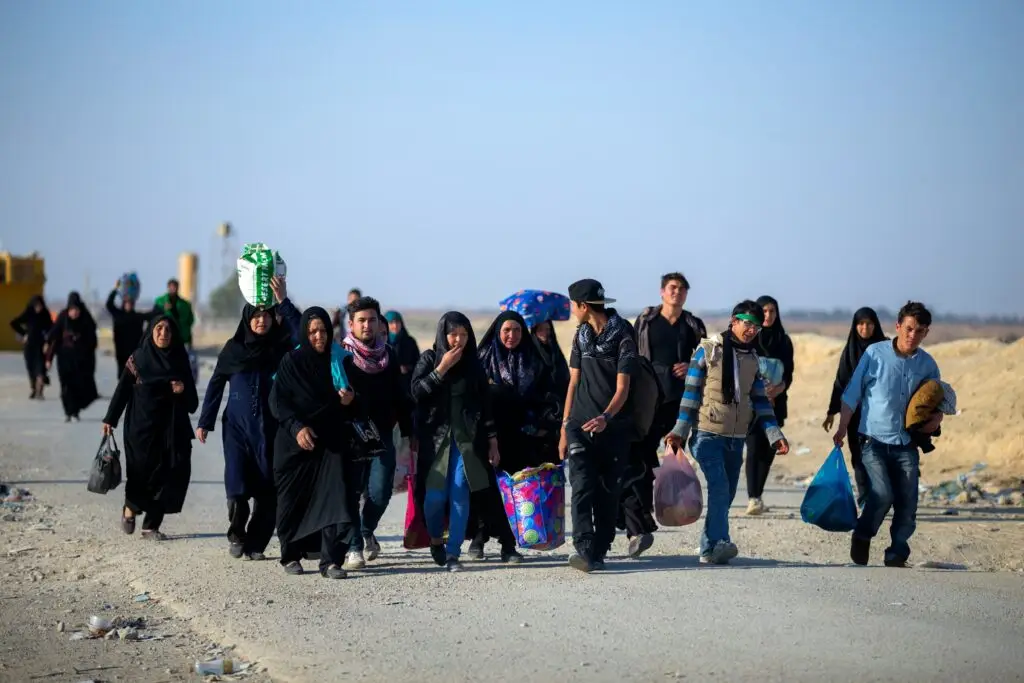
Syrians no longer have a fundamental right to asylum in Germany—a court has confirmed this. What does this mean for Syrian refugees in Germany? ...
Numerous investigations into trips back home
Even now, trips back to their home countries often have legal consequences for people with protected status in Germany. According to the Federal Office for Migration and Refugees (BAMF), a total of 2,593 so-called revocation review proceedings were initiated in 2025 against Syrian beneficiaries of protection—due to temporary trips to Syria.
In the first quarter of 2026, another 708 cases were added. The exact number of people who lost their protected status after returning to their home country is not tracked. However, the figures show that this issue affects many people.
Traveling to Your Home Country: What Are the Current Legal Requirements?
Under current law, the situation is clear: Anyone with protected status who, without permission from the Foreigners' office risks losing their residency status in Germany.
The reason: Protection is generally granted because there is persecution or danger in the country of origin. If a person returns there voluntarily, the authorities may interpret this as an indication that the danger no longer exists—and thus that the grounds for protection no longer apply. As a result, this can lead to the loss of protection status.
This applies in particular to the following Residence permit:
- Eligibility for asylum (Section 25(1) of the Residence Act)
- recognized refugee or beneficiary of subsidiary protection (Section 25(2) of the Residence Act)
- National ban on deportation (Section 25(3) of the Residence Act)
- Settlement permit following previous refugee status (Section 26(3) of the Residence Act)
- Settlement permit special integration (Section 26(4) of the Residence Act)
It is important to note that these legal risks generally apply to all individuals with protected status —regardless of their nationality. Even short or one-time trips without official permission can trigger a revocation proceeding.

Despite concerns, the German government is sticking to its plans for deportations to Syria. While Foreign Minister Wadephul warns of the conditions in the country, the Interior Ministry is pushing ahead with talks with Syria. What does this mean for those affected, and what rights do they now have?
Conclusion: What happens now?
Important: The current discussion regarding fact-finding missions to Syria is merely a political debate. No concrete changes to existing rules and laws have been made so far.
For people entitled to protection to be able to travel to their home countries without risk, the legal situation would have to change. This would require a bill and a resolution in the Bundestag, or at least clear, binding guidelines for the relevant authorities.
Therefore, the following still applies: Traveling to your country of origin without permission from the Foreigners' office jeopardize your protected status. Whether this will change in the future depends on further political decisions. At present, however, a change in the near future is rather unlikely.