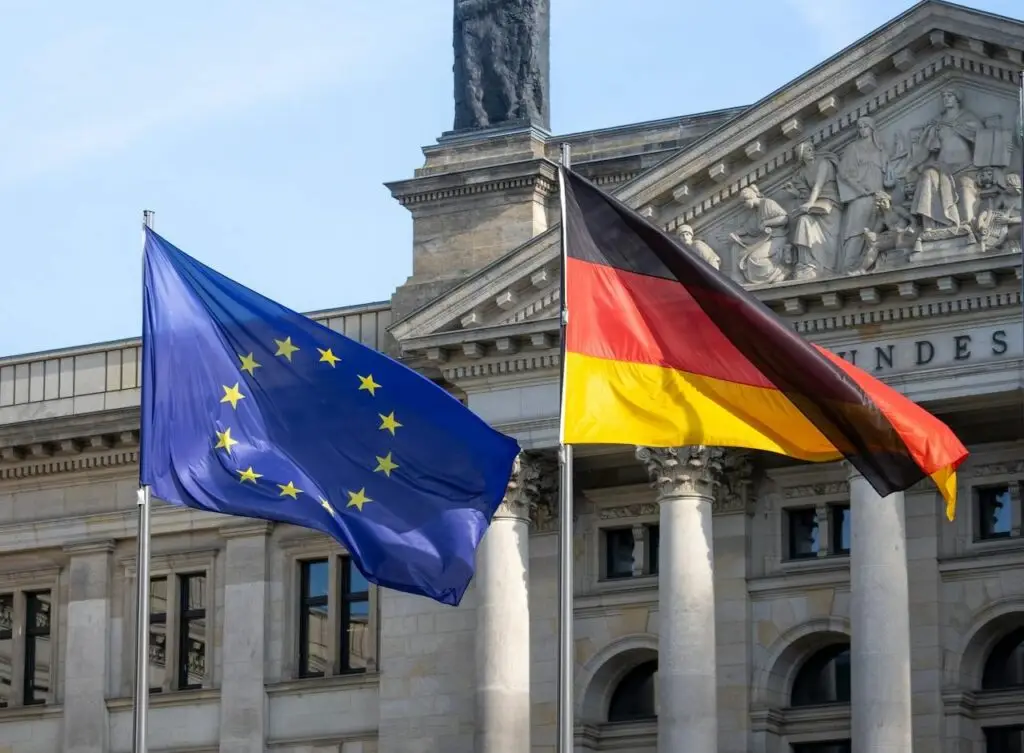


Talks between the EU and the Taliban are planned
According to various media reports citing diplomatic sources, the EU plans to invite Taliban representatives to Brussels. The talks are expected to focus on organizational issues—such as potential deportation flights, the capacity of Kabul International Airport, the issuance of travel documents, and the situation of returnees on the ground.
The talks have not yet been officially confirmed. The European Commission has only stated that there have been contacts and discussions at the working level. The Taliban are not officially recognized as a government by the EU or by Germany.

Twenty EU member states are calling for deportations to Afghanistan to be resumed. They are pushing for greater cooperation on repatriation. However, there are significant legal obstacles—as Afghanistan is still considered an unsafe country of origin....
Why the EU wants to lead the talks
For some time now, several European countries have been calling for deportations to Afghanistan to be resumed. A total of about 20 countries (including Germany) are advocating for greater coordination of deportations and for organizing them at the EU level.
According to a letter from the 20 EU member states, approximately 22,870 Afghans received a return decision in the EU in 2024. In reality, however, only 435 people returned to their home country. Many governments view this as a security issue.
The main focus is on deporting individuals who do not have the right to reside in the EU or who have been convicted of serious crimes.
Germany holds talks with the Taliban
Germany is also following this course. In recent years, however, there have been only a few deportations to Afghanistan. These involved exclusively men who had been convicted of serious crimes.
In addition, Germany is also holding talks with the Taliban regarding possible repatriations. As various media outlets have reported, representatives from the Federal Ministry of the Interior traveled to Qatar in October 2025 to discuss possible deportations with Taliban representatives.
Federal Interior Minister Alexander Dobrindt (CSU) stated at the time that negotiations were already “well advanced.” The goal was to resume regular deportations in the future—including via commercial flights.
In its coalition agreement, the current federal government has also agreed to resume deportations to certain countries of origin—including Afghanistan and Syria. Initially, this will primarily affect criminals and individuals posing a security risk; later, it may also apply to other individuals without protected status.
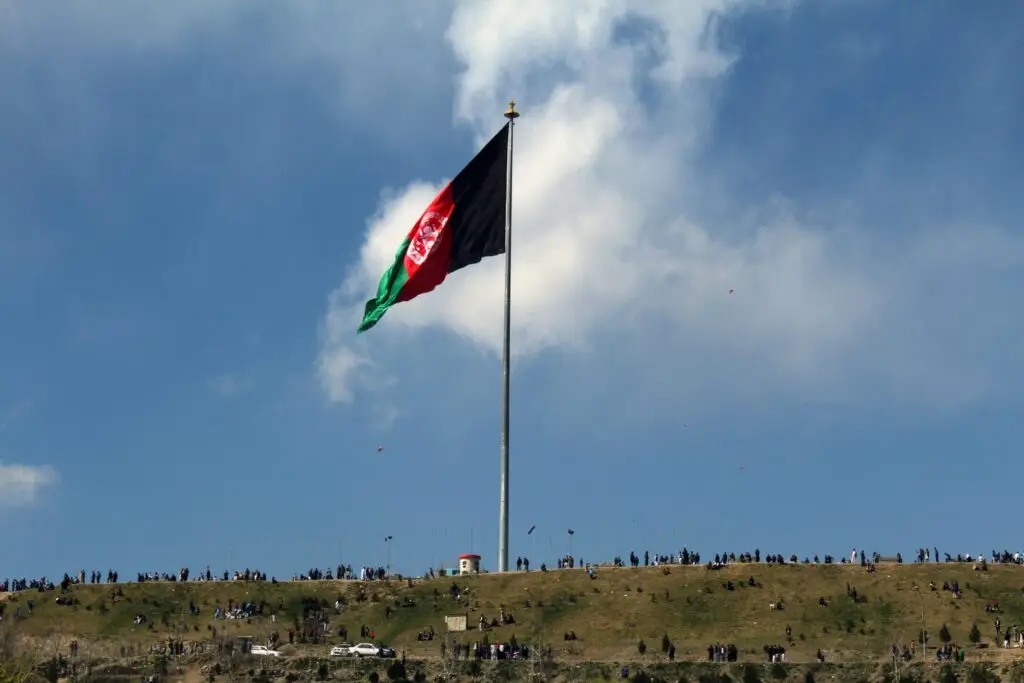
Representatives of the Federal Ministry of the Interior have held talks with the Taliban in Kabul. The aim is to resume regular deportations from Germany to Afghanistan in the future....
Returns to Afghanistan: What Does EU Law Permit?
Despite these developments, deportations to Afghanistan remain legally challenging. The basis for this is the EU Return Directive.
While it permits the return of individuals without the right to reside, it prohibits deportations to countries where there is a risk of torture, inhuman treatment, or political persecution.
This so-called prohibition on refoulement also applies under the European Convention on Human Rights.
Since Afghanistan is still considered an unsafe country of origin and the Taliban are not internationally recognized, there is no readmission agreement with the EU. This means that—at this time—there is no legal basis for joint EU deportations.
For that to change, the EU would have to either negotiate a new agreement with Afghanistan or amend existing rules. Both would require the approval of the European Parliament and the member states—a process that takes time.
Individual countries, such as Germany, could enter into their own agreements with the government in Kabul. However, they would also have to comply with EU law and the European Convention on Human Rights. In addition, national courts can block deportations on a case-by-case basis if there is a risk to life, limb, or liberty.
Background: Afghanistan is still considered unsafe
The Taliban have controlled Afghanistan since 2021. Internationally, the government is largely isolated; only Russia has officially recognized it.
According to the United Nations, the human rights situation in Afghanistan is considered critical. Reports indicate that fundamental rights are repeatedly being restricted and human rights violations are occurring—particularly against women and minorities. International organizations such as the UN Refugee Agency (UNHCR) also advise against returning people to Afghanistan.
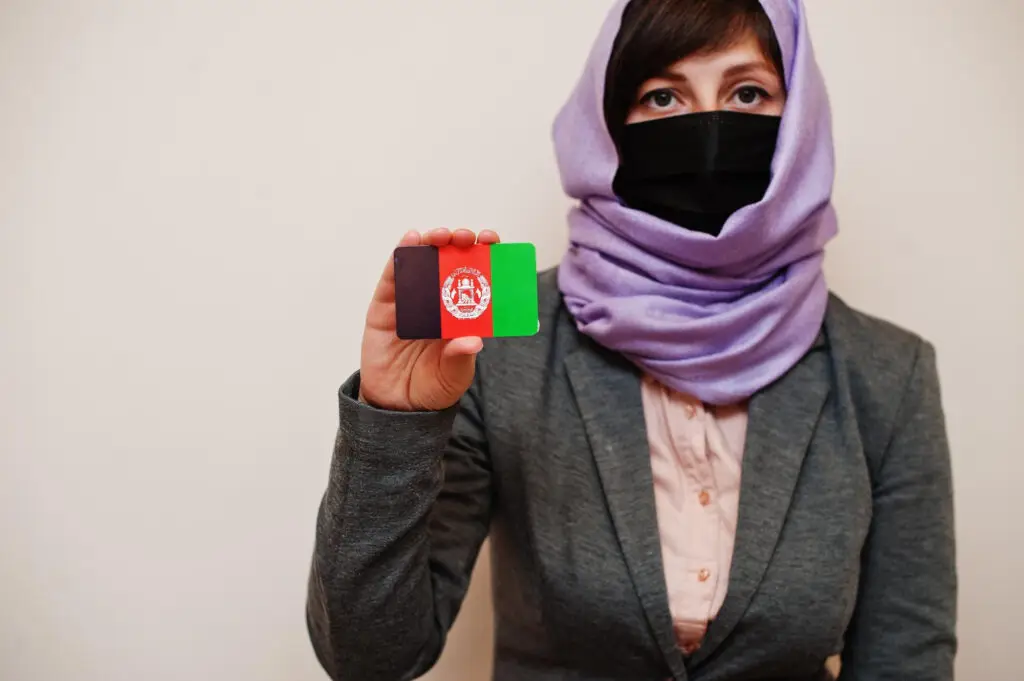
After weeks of closure, the Afghan consulate in Bonn is resuming operations. But who is running it now—the Taliban or representatives of the former government?...
Conclusion
The planned talks indicate that the EU is looking for ways to facilitate and better organize deportations to Afghanistan in the future. However, no concrete agreements have been reached yet.
For Afghans in Germany and the EU, this means that deportations remain legally complex and will initially target individuals without residency rights, as well as convicted criminals and those deemed a threat to public safety. At the same time, there are signs that policy in this area is still evolving and that changes may occur in the future.