


Since then, the debate in parliament and throughout Germany has been heated. The law has not met with universal approval.
What does the new law provide for?
The new law, introduced by Federal Minister of the Interior Alexander Dobrindt (CSU), stipulates that persons entitled to subsidiary protection may only bring close family members such as spouses or underage children to Germany in cases of hardship. Previously, family reunification for this group was already limited to 1,000 visas per month nationwide. This option has now been completely abolished for the first two years.
It is currently not known whether there will be exceptions - for example, for families whose visa procedures for family reunification are already underway. At least there is no such exception in the legal text.
In addition, the law expressly reintroduced the phrase "limiting migration" as an objective in the right of residence - in addition to the previous "managing migration".

Family reunification in Germany: How long does it take? How much does it cost? What requirements do you need? Find out everything in our guide...
How did the MPs vote?
During the debate on Friday, the MPs were far from unanimous. In the course of a heated discussion, the President of the Bundestag, Julia Klöckner (CDU/CSU), had to call MPs to order several times and even admonish them.
In the end, 444 MPs voted in favor of the law, 135 against. There were no abstentions. 51 MPs stayed away from the debate and the vote.
Which parties support the new law-and why?
CDU/CSU, SPD and AfD voted in favor of suspending family reunification.
Interior Minister Alexander Dobrindt (CSU) defended the law as a "necessary step towards controlling migration and relieving the burden on local authorities." He emphasized that this would also eliminate a "pull factor" that had previously played into the hands of people smugglers: "Only one person has to come to Germany, then the rest can follow - we are putting an end to this model."
The SPD supported the law, albeit hesitantly. Natalie Pawlik, the federal government's integration commissioner, openly explained the extent of the internal conflict in her party: "Family is a human right. And anyone who lives in Germany without one will find it difficult to integrate." Nevertheless, the compromise in line with the coalition agreements was accepted, as the law was limited to two years and included a hardship provision.
In addition to approval, there was also criticism from the ranks of the AfD. For the party, the tightened asylum law does not go far enough. Christian Wirth described the law as a "drop in the ocean" and called for a fundamental change of course in asylum policy. Family reunification is not a human right, but a political offer, said Wirth.
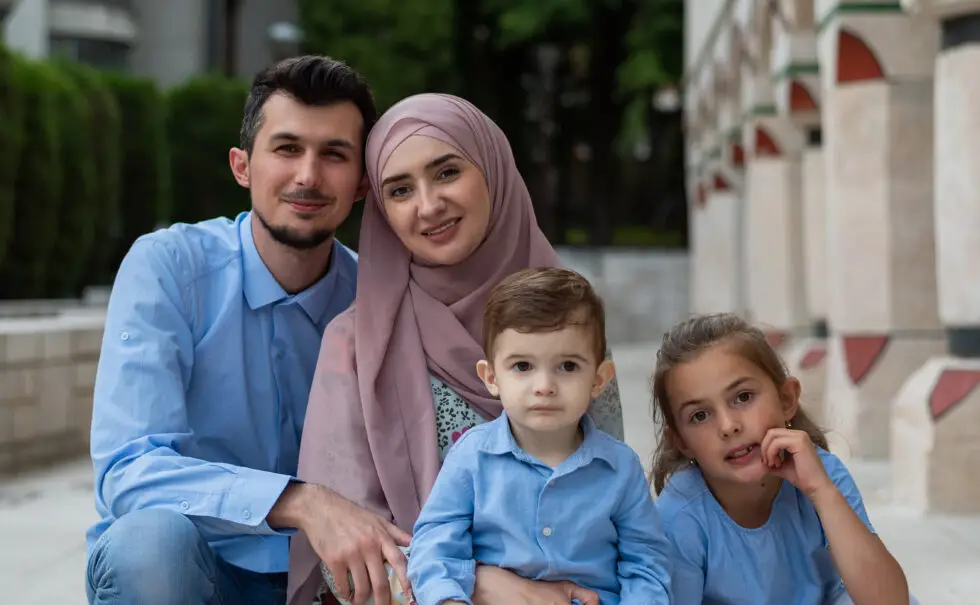
Section 36 of the Residence Act regulates the right to join parents and other relatives and offers an important opportunity for certain groups of people to bring their family members to Germany. ...
Which parties are criticizing the new law?
The Greens and the Left expressed massive opposition. Marcel Emmerich (Greens) called the law "merciless" and an "aberration in terms of integration policy". Schahina Gambir criticized the fast-track procedure with which the law was rushed through the Bundestag and the disregard for expert opinions. This was a "democratic indictment".
Left-wing MP Clara Bünger spoke of a law that was "contrary to human rights" and accused the federal government of deliberately exacerbating suffering instead of creating solutions. The hardship regulation is ineffective in practice, as it is based on individual case decisions and hardly ever comes into effect.
Law meets with approval in cities and municipalities
Outside of political Berlin, the law has met with approval, particularly in the municipalities. The German Association of Towns and Municipalities and several interior ministries of the federal states welcomed the move.
The burden on cities due to high levels of immigration is enormous, with a lack of housing, daycare places and integration services. "We need to take a breather," explained André Berghegger, Managing Director of the German Association of Towns and Municipalities. This is the only way to stabilize municipal structures and successfully continue existing integration processes.

Find out everything you need to know about the requirements for family reunification. What documents do you need with a Settlement permit and as a refugee? More here...
Sharp criticism from the church and civil society
Massive criticism has come from churches, NGOs and refugee organizations. Christian Stäblein, Bishop of the Evangelical Church of Berlin-Brandenburg, speaks of a breach of Christian values: "Parents and children belong together. It is a commandment of charity not to separate refugees from their relatives for years on end."
The human rights organization Pro Asyl has announced that it will take legal action against the law. Spokesperson Tareq Alaows described the decision as a "breach of humanitarian values" and warned that women and children would now be forced to choose dangerous escape routes.
The German Institute for Human Rights also expressed concerns - in particular because of possible repercussions for visa procedures already underway.
Conclusion: When will the new law come into force?
Despite all the criticism, the law to suspend family reunification for persons entitled to subsidiary protection was passed on Friday. The law will come into force as soon as it is published in the Federal Law Gazette. Publication is expected in the coming days.