"The introduction of a nationwide payment card is actually overdue," said Merz. Bavaria's Minister President Markus Söder (CSU) also once again spoke out in favor of a nationwide solution.
When was the payment card introduced - and where is it valid?
The payment card was introduced in May 2024 as a way of granting benefits to refugees and asylum seekers using a cashless debit card instead of cash or bank transfer. The introduction is currently voluntary - each federal state decides for itself.
Some federal states, such as Bavaria and Hamburg, have already introduced the card in full. In others, it is only running regionally in pilot projects or is still being planned.
Although Berlin has decided to introduce the card, it has not yet been implemented. In several municipalities such as Potsdam and Münster, the payment card has been rejected.
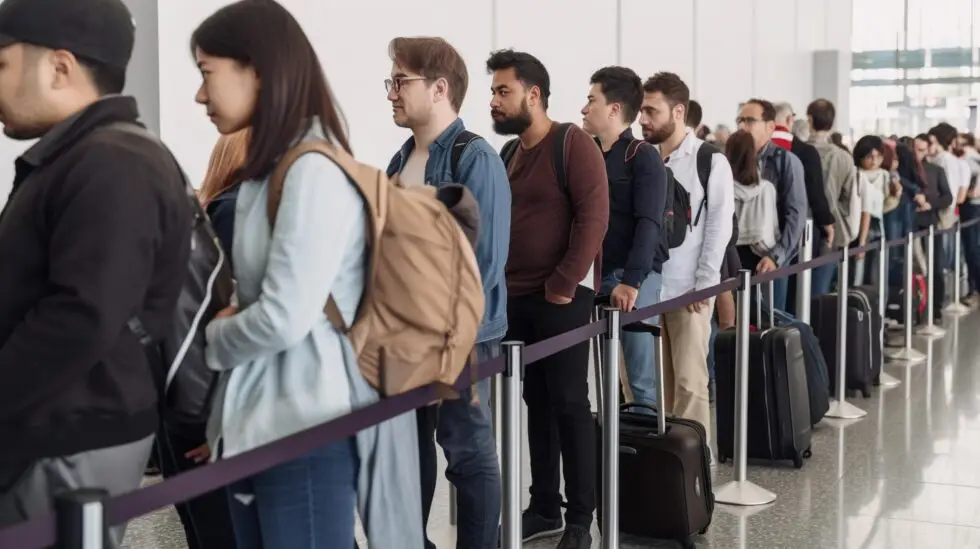
§ Section 10 of the Residence Act (AufenthG) is a key paragraph that regulates the granting or exclusion of residence permits during asylum proceedings. ...
Who gets the payment card - and who doesn't?
The payment card is intended for people who receive benefits under the Asylum Seekers' Benefits Act (AsylbLG). This includes people in ongoing asylum proceedings, tolerated persons and persons who are required to leave the country and do not have a Residence permit.
Recognized beneficiaries of protection and refugees from Ukraine are exempt from the regulation, as they receive benefits in accordance with the German Social Code (SGB II) - i.e. citizen's allowance.
As a rule, children and young people do not receive their own card - their benefits are booked onto their parents' card. People with their own income or health restrictions that make it impossible to use the card are also excluded.
How does the payment card work - and what can you do with it?
The payment card has a fixed monthly credit balance and is not linked to a bank account. It enables cashless payments in stores and limited cash withdrawals.
The exact structure - for example, whether online purchases are possible - varies depending on the federal state. For example, Bavaria generally prohibits online payments, while other states allow them.
The amount of cash that can be withdrawn per month is also regulated differently. In most federal states, the limit is 50 euros per person per month.
Higher limits apply in Thuringia (up to 120 euros) and Rhineland-Palatinate (recommendation: 130 euros), among others. For children, even lower limits apply in some cases - around €10 in Hamburg and €25 in Brandenburg.

Have you come to Germany as a refugee and received a positive asylum decision from the BAMF? If you have been granted "refugee status" and 3 years' residence, we explain in this blog post how and when you can obtain Settlement permit . Contents...
Why is the payment card criticized?
However, human rights organizations such as PRO ASYL sharply criticize the payment card. They see it as an instrument of deterrence and discrimination.
"The payment card is not an instrument to promote integration, but a targeted measure to make life difficult for refugees in Germany," says Andrea Kothen from PRO ASYL.
The ban on bank transfers and regional usage restrictions are particularly problematic - for example, if the card cannot be used to pay in other cities.
The cash limit is also legally controversial. Courts in Hamburg and Nuremberg have ruled that the limits are unlawful in certain cases.
PRO ASYL also refers to a ruling by the Federal Constitutional Court in 2012, which states that human dignity must not be restricted for reasons of migration policy.
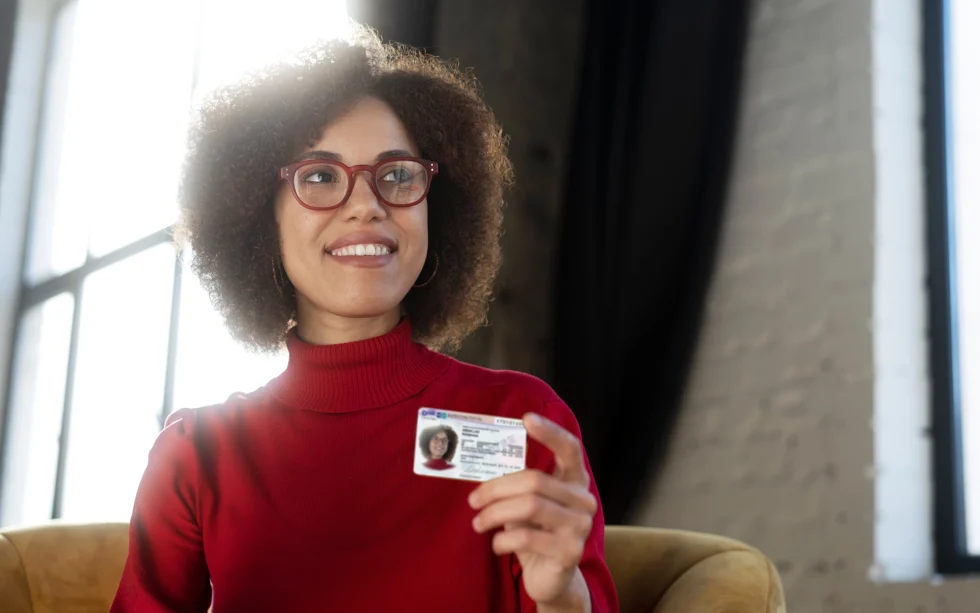
What is subsidiary protection and how do you get it? We answer all your questions in this comprehensive Blog . Learn more ...
Conclusion: Will the payment card now be introduced nationwide?
It is still unclear whether the payment card will actually become mandatory nationwide. At least for the time being, the project still seems a long way off.
At present, Chancellor Merz's initiative is merely a proposal to be discussed within the governing coalition. A uniform nationwide introduction can only be achieved by law.
To do this, the federal government would first have to present a corresponding bill, which would be discussed in the Bundestag and Bundesrat. In the end, a simple majority in the Bundestag is required for the law to come into force.
Until then, it is up to the federal states and local authorities to decide whether and how to implement the payment card. Whether the proposal will become a uniform solution is therefore still completely open.