

What is an expedited asylum procedure?
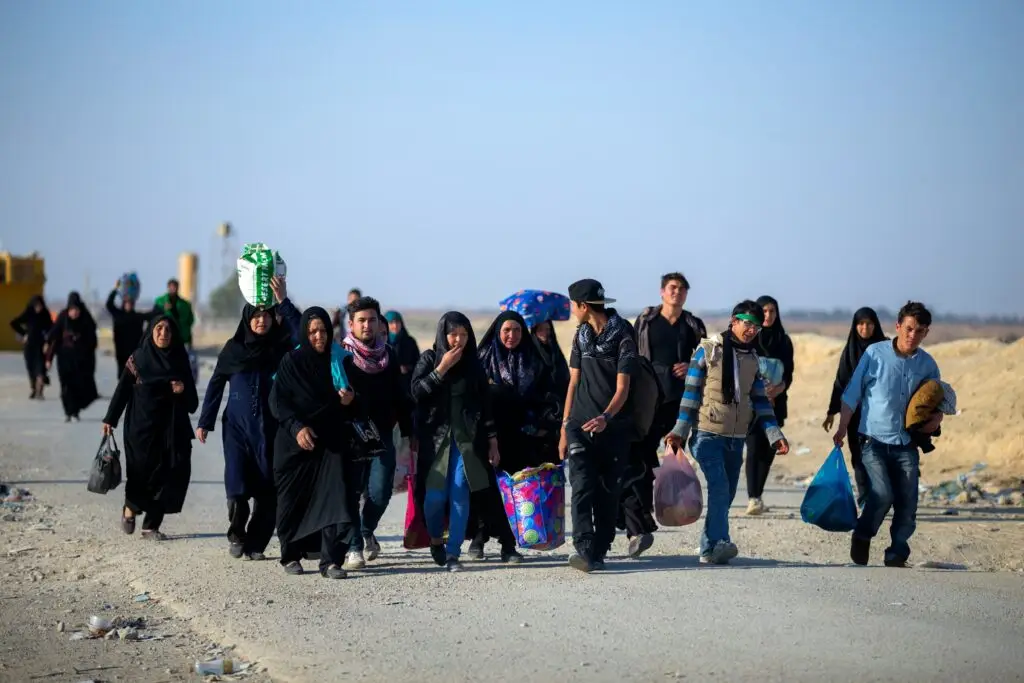
In an expedited asylum procedure, the competent authority reviews an asylum application more quickly than in the regular procedure. Under the new EU rules, the review must generally be completed within three months. A regular asylum procedure, on the other hand, can take up to six months.
The accelerated procedures are to take place at the EU’s external borders or in reception centers near the border—that is, before asylum seekers enter the EU. The accelerated procedures primarily apply to asylum seekers from countries of origin where the protection rate is 20 percent or less.
In such cases, the EU assumes that the requirements for recognition as a refugee or for subsidiary protection are met relatively rarely. For this reason, applications will no longer be reviewed through the regular asylum process but rather through an expedited procedure. Asylum applications from these countries of origin are also more frequently rejected as “manifestly unfounded.”
However, it is important to note that even in an expedited procedure, every asylum application must be reviewed individually. People from the affected countries of origin may not be rejected across the board. They retain their rights throughout the asylum process and may appeal a negative decision.
With the launch of GEAS, key rules for asylum seekers in the EU are changing. These include new screening procedures, border procedures, stricter Dublin rules, and potential cuts to benefits. Who is affected, and what exactly is changing?...
Asylum seekers from these countries should expect expedited proceedings
The EU has now published a list of countries of origin where the protection rate in 2025 was 20 percent or less. This list will serve as the basis for determining whether asylum seekers must undergo an expedited procedure.
The main countries of origin with a protection rate of no more than 20 percent include:
- Iraq (18.4 percent)
- Democratic Republic of the Congo (15.9 percent)
- Nigeria (14.3 percent)
- Pakistan (13.3 percent)
- Mexico (12.7 percent)
- Kazakhstan (12.4 percent)
- Sri Lanka (12.3 percent)
- Indonesia (11.7 percent)
- Turkey (11.7 percent)
- Lebanon (11.6 percent)
- Jordan (10.4 percent)
- Thailand (10.6 percent)
- Algeria (8.7 percent)
- Uzbekistan (8.8 percent)
- South Africa (8.1 percent)
- Senegal (7.8 percent)
- Angola (7.4 percent)
- Georgia (6.1 percent)
- Kosovo (6.0 percent)
- Ghana (5.8 percent)
- Tunisia (4.9 percent)
- Cambodia (4.9 percent)
- Morocco (4.5 percent)
- India (2.2 percent)
- Venezuela (2.2 percent)
- Vietnam (2.3 percent)
- Serbia (1.9 percent)
- North Macedonia (0.6 percent)
- Bosnia and Herzegovina (0.8 percent)
- Republic of Moldova (0.8 percent)
What does this mean for asylum seekers from these countries?
As of June 12, 2026, asylum seekers from these countries of origin may be subject to an expedited asylum procedure —in most cases, even before they enter the EU.
If, following an examination, the authorities determine that the applicant is not entitled to protection, the asylum application may be rejected as manifestly unfounded. In that case, entry may be denied, or the asylum seeker must leave the EU.
Although those affected can still appeal the decision, the expedited procedure involves shorter deadlines and stricter rules than the regular asylum procedure.