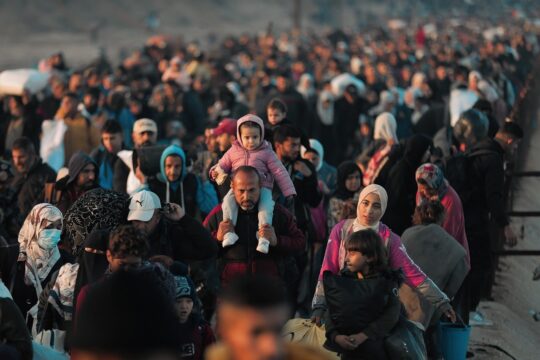


State governments are putting forward various proposals
From June 17 to 19, 2026, the interior ministers of all 16 federal states will discuss current issues in domestic and migration policy. Federal Interior Minister Alexander Dobrindt (CSU) will also attend the conference.
According to the news portal Focus, the discussions are also expected to focus on the future of Syrian nationals in Germany. This comes against the backdrop of the changed political situation in Syria following the fall of the Assad regime in December 2024. Since then, there has been ongoing debate in Germany over whether Syrian refugees still need protection or can return to their home country.
According to Focus, the interior ministers will discuss two proposals: The SPD-led states are calling for a secure right of residence for well-integrated Syrians. The CDU/CSU-led states are placing greater emphasis on voluntary return and deportations.
Important: The Conference of Interior Ministers cannot pass laws on its own. However, the federal states can agree on common political positions there. They can also submit requests and recommendations to the federal government.
But what exactly are the federal states calling for?

Syria opposes forced deportations and calls for the voluntary return of refugees. At the same time, discussions continue in Germany regarding deportations, protection status, and return assistance. But what does this debate actually mean for Syrians in Germany?...
SPD state governments call for a secure right of residence for integrated Syrians
The SPD-led states have introduced a motion calling for a secure right of residence for well-integrated Syrians.
According to Focus, the motion states that many Syrians have been living in Germany for several years and are now well integrated. Many of them are working, pursuing vocational training, attending school, or actively participating in society. Focus also reports that the motion notes that many Syrian workers are employed in systemically important professions. Nearly half of them are working as skilled professionals.
From the perspective of the SPD-led states, this integration should be given greater consideration in residency law. They are therefore calling on Federal Interior Minister Alexander Dobrindt (CSU) to present proposals for legislation by this fall. This legislation is intended to provide greater legal certainty and reliable prospects for remaining in the country for well-integrated Syrians.
The SPD-led states also advocate for addressing the situation of well-integrated Syrians through a Tolerance permit . According to current figures, around 10,000 Syrian nationals are living Tolerance permit Germany with a Tolerance permit . The SPD-led states are therefore calling for better prospects of remaining in the country for well-integrated Syrian nationals with a Tolerance permit.
CDU/CSU-led states call for regular deportations to Syria
The CDU/CSU-led states have also submitted a motion regarding the future of Syrian nationals. The state of Hesse has placed the issue on the conference agenda.
According to Focus, the Hessian Ministry of the Interior argues that the Federal Office for Migration and Refugees (BAMF) now approves only a small number of asylum applications from Syrians. For this reason, Hesse expects to see an increase in revocation proceedings in the future. In such proceedings, a refugee’s protected status is reviewed and may be revoked if the original grounds for protection no longer exist.
The Hessian Ministry of the Interior emphasizes that many Syrians have now secured their residency on their own merits. Many are working, supporting themselves, and have integrated well. At the same time, however, more than half of Syrian nationals still hold humanitarian residency permits.
Hesse’s Interior Minister Roman Poseck (CDU) is calling for a reassessment of the situation in Syria following the end of the civil war. In his view, Germany must once again allow deportations to Syria. This applies not only to criminals but also to individuals required to leave the country whose protection status will be reviewed and revoked in the future.
Poseck also explained that well-integrated Syrians could be granted the right to remain: “Those who work, speak German, support themselves, and obey the law can be granted the right to remain. Those who have committed crimes or are permanently dependent on social benefits, however, must return.”
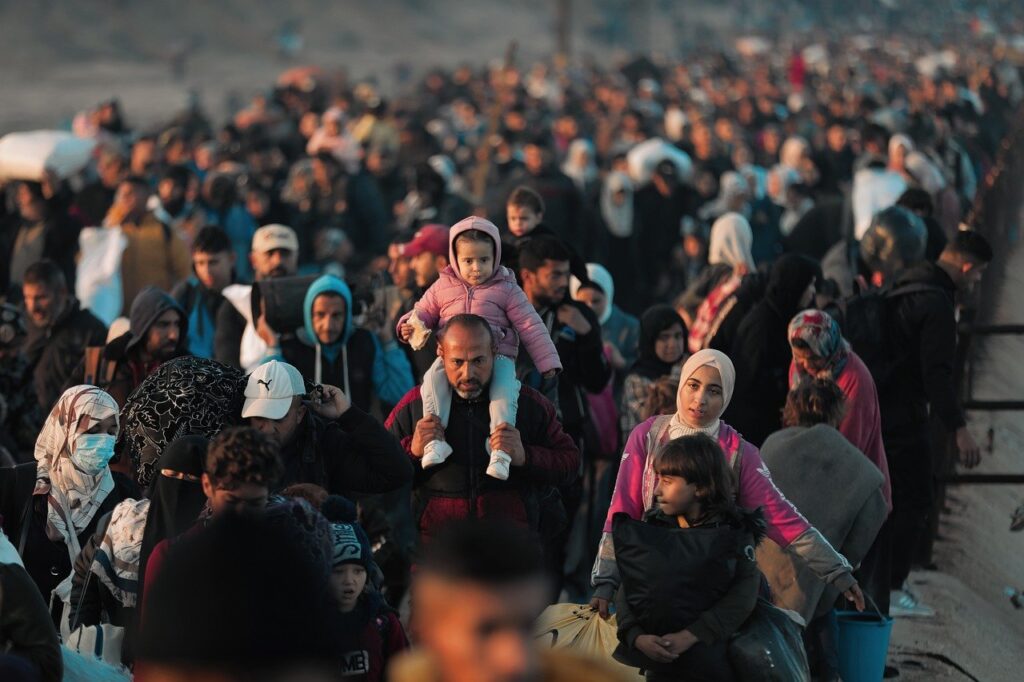
With the launch of GEAS, key rules for asylum seekers in the EU are changing. These include new screening procedures, border procedures, stricter Dublin rules, and potential cuts to benefits. Who is affected, and what exactly is changing?...
Is financial assistance for voluntary return being planned?
In addition to possible deportations, Hesse is also calling for stronger incentives for voluntary return to Syria. According to Interior Minister Roman Poseck, the federal government should examine whether additional financial assistance is available for those who leave voluntarily.
People can already receive financial assistance if they voluntarily return to their country of origin. This assistance is intended to cover expenses such as travel costs and the initial period after their return.
According to media reports, the Federal Ministry of the Interior is currently examining whether the repatriation programs for Syrian nationals can be expanded. A grant of up to 8,000 euros is under consideration. However, no decision has yet been made on such a program.
What does this debate mean for Syrians in Germany?
For Syrians in Germany, the conference will not result in any immediate changes. Existing protection status, residence permits, and temporary stays will remain valid as long as the relevant authorities do not make any other decisions.
It is also important to note that the ministers at the conference do not pass new laws; they merely issue recommendations to the federal government.
If the SPD-led states succeed in pushing through their proposal, there could be a special residency scheme for well-integrated Syrians in the future. If the CDU/CSU-led states prevail, reviews of residency permits, voluntary return programs, and deportations to Syria could be significantly expanded.
A compromise is also possible: people who are well integrated could be granted permanent residency, while criminals required to leave the country and individuals without residency status would be subject to increased deportation.
The Conference of Interior Ministers will continue until Friday, June 19, 2026. Only then will it be clear what the federal states have agreed upon and what demands they will make of the federal government.