

But what exactly are the requirements? What are the current rules? And should people who want to become naturalized expect any changes now?
Number of naturalizations in Germany on the rise
The number of naturalizations in Germany has risen in recent years. According to the Federal Statistical Office , nearly 292,000 people were naturalized in 2024 . That was the highest figure since records began in 2000.
This record could be broken again in 2025. According to research by *Welt am Sonntag*, more than 309,000 people are said to have been granted German citizenship last year.
However, the figures have not yet been officially confirmed. Nevertheless, it is clear that for many migrants who meet the requirements, obtaining a German passport is an important goal.
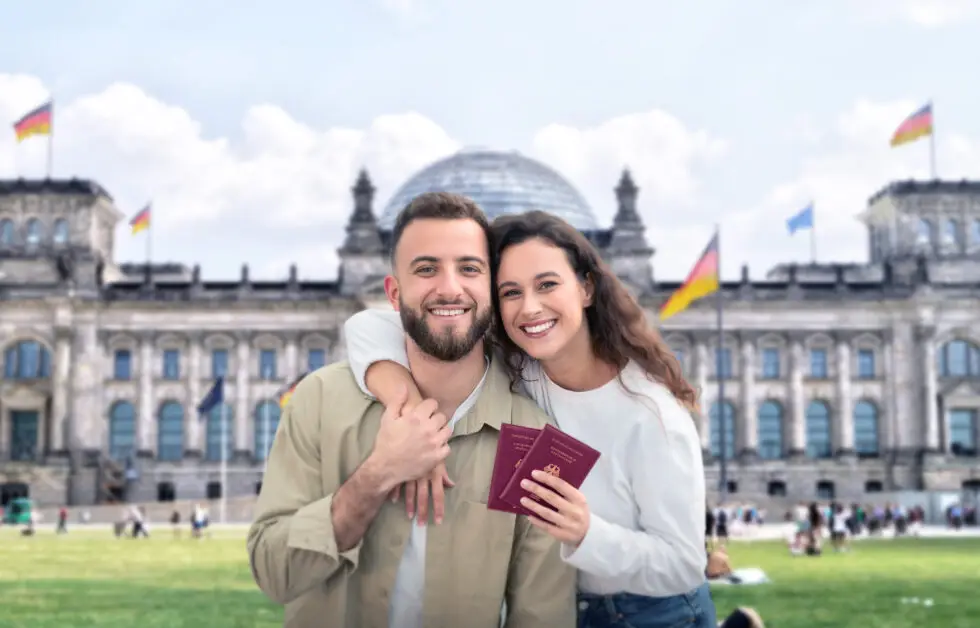
In order to be naturalized in Germany, you must meet various requirements. You can find out what these are here...
The Union is calling for stricter requirements for Naturalization
Some CDU/CSU politicians see the rise in numbers as a sign that the requirements for Naturalization have been made too lenient. They are particularly critical of the 2024 reform of the citizenship law, which was enacted by the federal government of the time—composed of the SPD, the Greens, and the FDP.
The reform took effect in June 2024. Since then, Naturalization has been possible Naturalization five years of legal residence in Germany. Previously, those seeking naturalization had to wait eight years. In addition, dual citizenship was permitted. This means that, as a rule, those who obtain German citizenship no longer have to renounce their previous citizenship.
What exactly is the CDU/CSU calling for?
It is precisely these two issues that are now at the center of the political debate. Some members of the Union want Naturalization the residency requirement for Naturalization and impose stricter limits on dual citizenship once again.
Alexander Throm, the CDU/CSU’s spokesperson on domestic policy, is calling for stricter citizenship laws in light of the rise in naturalization numbers. Speaking to the news platform Welt, he said the standard naturalization period must be extended again from five to eight years.
Throm also advocates for the general prohibition of dual citizenship to be reinstated. In his view, it should no longer be possible, as a matter of principle, to retain Naturalization previous passport upon Naturalization .
Hesse’s Interior Minister Roman Poseck (CDU) also criticized dual citizenship. “Dual citizenship makes integration more difficult,” he told *Die Welt*.
In his view, Naturalization should Naturalization include a clear commitment to German citizenship. This commitment is not equally present in cases of dual citizenship. For this reason, Poseck calls for dual citizenship to be limited to exceptional cases.
Alexander Throm also points out that the CDU/CSU has already repealed the "Naturalization " provision after three years. That provision was also part of the 2024 reform of the nationality law.
TheNaturalization allow individuals who were particularly well-integrated to become naturalized after just three years. To qualify, they had to demonstrate exceptional integration achievements, such as excellent German language skills and outstanding professional, academic, or volunteer accomplishments. As of October 2025, the Naturalization is Naturalization longer available.

What requirements must you fulfill for a Settlement permit in Germany? Are there any exceptions? We will tell you...
Naturalization with Settlement permit?
Alexander Throm also puts forward another proposal. In his view, people with protected status should not be eligible for immediate naturalization. Instead, they should first be granted a Settlement permit . Only after that, according to the CDU politician’s proposal, should the Naturalization period begin.
The Settlement permit a permanent Residence permit. Those who receive it are allowed to stay in Germany permanently and enjoy greater security in many areas, such as employment, family reunification, and long-term life planning.
However, several requirements Settlement permit be met to obtain a Settlement permit . These typically include a minimum residence period of five years, 60 months of contributions to the pension insurance system, German language proficiency at the B1 level, and a basic understanding of the German legal and social system.
For people with refugee status, Alexander Throm’s proposal would significantly lengthen the path to obtaining a German passport. In certain cases, the time Naturalization could increase Naturalization five years Naturalization ten years or more.
Will the requirements for Naturalization become stricter Naturalization ?
It is currently rather unlikely that the CDU/CSU’s demands will be implemented. Although the CDU/CSU and the SPD form the federal government together, the coalition agreement does not provide for any further tightening of naturalization laws.
Although the coalition agreement stipulates that theNaturalization will be abolishedNaturalization three years, the reform of the citizenship law is to remain in place.
It is also important to note that any further tightening of the rules would require a new law. However, it is currently unlikely that the SPD would support such a change, as the party itself helped pass the reform of the citizenship law.

Do you want to know how to apply for a German passport and what requirements you need to fulfill? You can get the answer here...
What does this mean for people who want to become naturalized citizens?
For people who wish to apply for German citizenship or are already in the process of doing so, the current debate does not change anything for the time being. Anyone who meets the requirements can apply for Naturalization.
Naturalization generally still possible after five years. Dual citizenship also remains permitted. Individuals with protected status Naturalization need to obtain a Settlement permit before applying for Naturalization .
Nevertheless, the debate shows that Naturalization be a focal point of political attention. Anyone Naturalization a Naturalization should therefore start gathering information early on and prepare their documents thoroughly.
The current legal situation is always the determining factor. The calls for stricter requirements for Naturalization currently political proposals. They are not yet law.