The aim is to make border controls safer and more efficient, to better detect overstaying and to make identity fraud more difficult. What should travelers from third countries know now?
What is the entry and exit system?
The EES (Entry/Exit System) is a new EU-wide system that digitally records the entry and exit of third-country nationals at the borders of the Schengen area. In future, every time a person crosses the border
- personal documents and travel document data (name, date of birth, passport number),
- biometric data (facial photo and fingerprints) and
- Date and place of entry and exit stored.
Even if entry has been refused in the past, this is stored digitally. The data flows into a central EU database operated by the eu-LISA agency.
Who is affected - and who is not?
This applies to all travelers from third countries who are not nationals of an EU member state or another Schengen state (Iceland, Norway, Liechtenstein, Switzerland) and are staying in the Schengen area for short stays of up to 90 days within a 180-day period. This includes both visa-free visitors from countries such as Great Britain, the USA or Japan as well as people who require a Schengen visa, for example from Turkey.
Not affected are:
- EU citizens
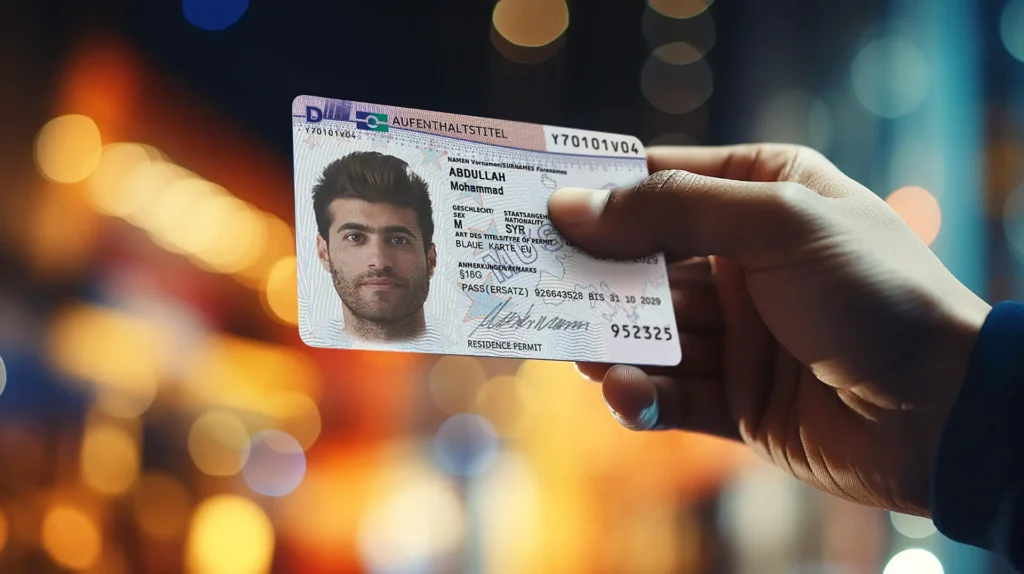
- Holders of a permanent residence permit (e.g. Settlement permit, EU permanent residence permit). These persons are not considered short-term residents and are therefore not covered by the EES.
- Family members of EU citizens who are not EU nationals themselves but hold a "residence card for family members of an EU citizen" or a "permanent residence card" in accordance with the Free Movement of Persons Directive (2004/38/EC). These cards must be presented together with the passport when crossing the border.
- Third-country nationals with a national visa or temporary residence permit (e.g. for study, work, family reunification or au pair work). They are not part of the EES either, as their stay is longer-term and linked to the visa.
- Persons with diplomatic or official passports or members of international organizations may also be exempt from registration, depending on the bilateral regulations.
Important: The EES applies exclusively for short stays up to 90 days within 180 days in the Schengen area. Anyone who permanently in Germany or are traveling with a national Residence permit are not affected.
Travelers whose legal status is unclear - such as family members who live outside the EU and wish to visit - should find out exactly whether they require EES registration before their trip. The responsible authorities are usually
- the German mission abroad (embassy or consulate),
- the Federal Police (responsible for border controls), or
- the airlines, which provide information on entry requirements.
This helps to avoid delays or problems when entering the country.
How will border controls work in future?
When crossing the border for the first time, travelers must scan their passport and provide fingerprints and a facial photograph. This data is stored together with personal details - name, date of birth, passport number, place and time of entry - in an EU-wide database.
To reduce waiting times, some information can be transmitted before entry via an app or at self-service counters. For subsequent journeys, facial recognition is sufficient as the biometric data is already stored.
The stored information is intended to help authorities such as the police or Europol to identify breaches of residence regulations more quickly. Anyone who refuses to enter the required data may be denied entry.
Travelers can avoid waiting times by:
- check whether self-service terminals or apps for data collection are available before the trip,
- carry all travel documents that are clearly legible and valid (especially passports with a biometric chip),
- allow sufficient time for entry.
Introduction in several steps
In Germany, the system will first be put into operation at Düsseldorf Airport. This will be followed by Frankfurt am Main and Munich airports. All other airports and external sea borders will then be connected. Train passengers without an EU passport, for example on the London-Paris or London-Brussels route, may also be affected in future.
The EU Commission has set the implementation period from October 12, 2025 to April 9, 2026. After that, the system should be fully functional at all crossing points in the 29 participating countries. Until then, passport stamps will still be used in parallel in order to mitigate possible technical faults.
Why is the EU introducing the system?
According to the EU Commission, the EES is intended to help prevent identity fraud, curb irregular migration and better record overstaying. The centralized data collection should enable the authorities to track who enters and leaves the Schengen area in real time.
"The entry and exit system is the digital backbone of our new common European migration and asylum framework," explained EU Commissioner for Home Affairs and Migration Magnus Brunner. The system enables modern and reliable management of external borders.
Importance for migrants in Germany
The new EU entry and exit system mainly affects people from third countries who are traveling to the Schengen area for a short time - for example, family members who come to Germany from non-EU countries to visit relatives.
For people who already live here and have a valid Residence permit , hardly anything will change. For their relatives abroad, however, it does.
Family visits and short stays
Anyone expecting relatives from non-EU countries to visit should inform them that the entry procedure will change from October 2025. In future, all travelers without EU citizenship - regardless of whether they require a visa or are allowed to enter without a visa - will have to provide biometric data (fingerprints and facial photo) upon entry and will be registered in the EES system.
The system automatically counts how long visitors stay in the Schengen area within the permitted 90 days per 180-day period. Anyone who exceeds this period will be recognized more quickly in future. For families who frequently commute between Germany and their country of origin, it is therefore particularly important to keep a close eye on the length of stay.
Holders of residence permits
Anyone who already lives in Germany or another EU country and has a valid Residence permit (e.g. EU Blue Card, Settlement permit or EU permanent residence permit) is not covered by the EES system. These persons are considered long-term residents, not short-term residents, and therefore do not have to register biometrically at the border.
However, this does not automatically apply to all family members:
- Spouses, parents or adult children who live outside the EU and visit regularly are generally subject to EES.
- Family members of EU citizens with a special residence card for family members of an EU citizen are exempt from EES registration - however, it is important that the card is carried and presented when crossing the border.
It is therefore advisable to check the individual requirements before every trip - preferably with the German diplomatic mission abroad or directly with the Federal Police.
Data protection and criticism
While the EU describes the EES as an important step towards greater security, data protection and human rights organizations are expressing concerns. They warn of the central storage of sensitive biometric data and possible risks to the right to privacy.
According to the EU Commission, the data will only be stored for a period of three years (in exceptional cases up to five years) and will only be used by authorized authorities. All data records are to be processed and stored in encrypted form in accordance with the General Data Protection Regulation (GDPR).
Next step: ETIAS from 2026
The next step will be the introduction of the ETIAS system (European Travel Information and Authorization System) at the end of 2026. This is a fee-based travel authorization for visa-free third-country nationals.
Travelers from over 50 visa-free countries - including the USA, Canada, Great Britain, Brazil, the United Arab Emirates, Israel and South Korea - will then have to apply for an electronic travel permit for a fee before entering the country.
For comparison: This authorization is similar to the US ESTA system or the British ETA.